Forest of the future: digital tools for learning and promoting CCF approach
The Société Royale Forestière de Belgique (SRFB, Belgium), in partnership with theMendel University in Brno (MENDELU, Czech Republic), the‘Institute de Genech (UFA, France), the’the Institut Technique Horticole of Gembloux (ITH, Belgium) and the Chimay Agroforestry Development Centre (CDAF, Belgium), has launched a new Erasmus+ project called "ForDiL" for "forest digital learning". This project aims to promote learning about the continuous cover forestry (CCF) approach using digital tools.

CCF
The CCF approach is an ecosystem-based, integrative approach that favours the maintenance, conservation, and use of forests in their multifunctionalities. This approach is based on many principles, such as maintaining forest cover and protecting rare species. These principles may vary according to country specificities but are generally based on understanding, using and respecting the natural dynamics of forest ecosystems from an economic, environmental and social perspective. The SMCC approach promotes the resilience of forest ecosystems, a fundamental challenge in climate change so that healthy, multifunctional forests can be passed on to future generations.
Marteloscope/Travailloscope
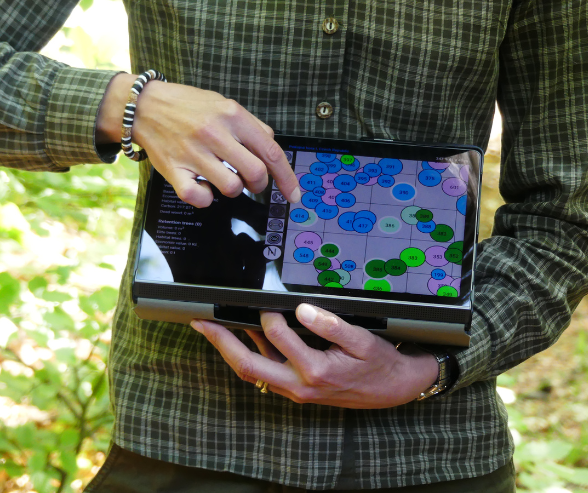
These field teaching devices enable learners to assess the impact of operations in the forest. In concrete terms, a marteloscope is a forest site, generally of rectangular shape of one hectare, where all trees are numbered, mapped and recorded. Based on this data and the results of the fictitious hammering carried out by the learner, a software program guides and evaluates the learner's choices regarding tree felling/conservation. A travailloscope works on the same basic model but aims to test the results of different silvicultural operations and the impacts (economic, ecological) favourable or unfavourable to irregular stand management. In actual on-field training workshops, these devices enable learners to practice in the field, assess their progress, compare results, and discuss them individually or in groups.
The project aims to create up-to-date training content for current and future forest managers and owners to develop their skills in this new approach to forest management with total autonomy. Several activities are planned, including developing a marteloscope and travailloscope integrating the CCF approach. The target users are forest managers and students in silvicultural or forestry courses at vocational schools and higher education establishments.
Following a research and decision-scheme design phase, the partners are developing and testing these two tools, which will then be integrated into a field-usable application. Students and teachers from the partner institutions are involved in tool testing, CCF exchanges with other European students, and forest stand visits. The project's expected outcome is an English, French, and Czech application offering forestry learners and teachers/trainers a digital tool enabling them to experience the CCF approach autonomously in a virtual and practical way. This application will also guide professionals in sustainable forest management decision-making and autonomy. This project started at the end of 2023 and will run out for three years.
Project overview
Project progress
Find out all the details about the ForDiL project and its current progress in a comprehensive article published in the SRFB's Silva Belgica journal.
21
March
2025
15
Oct
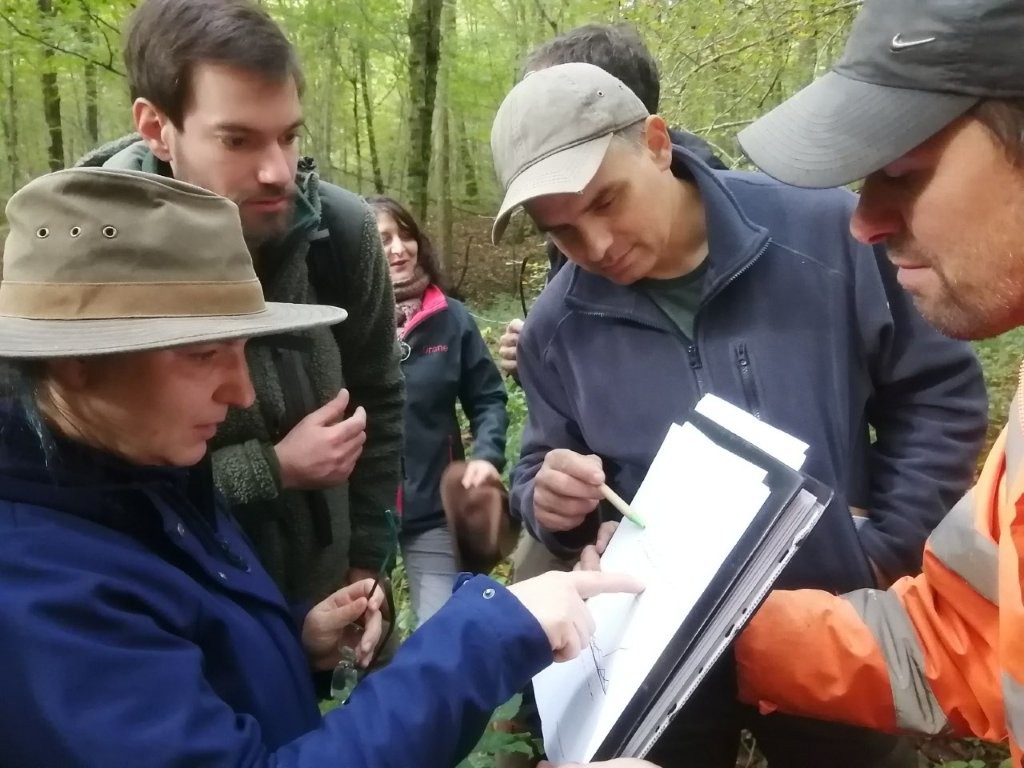
Transnational meeting in France
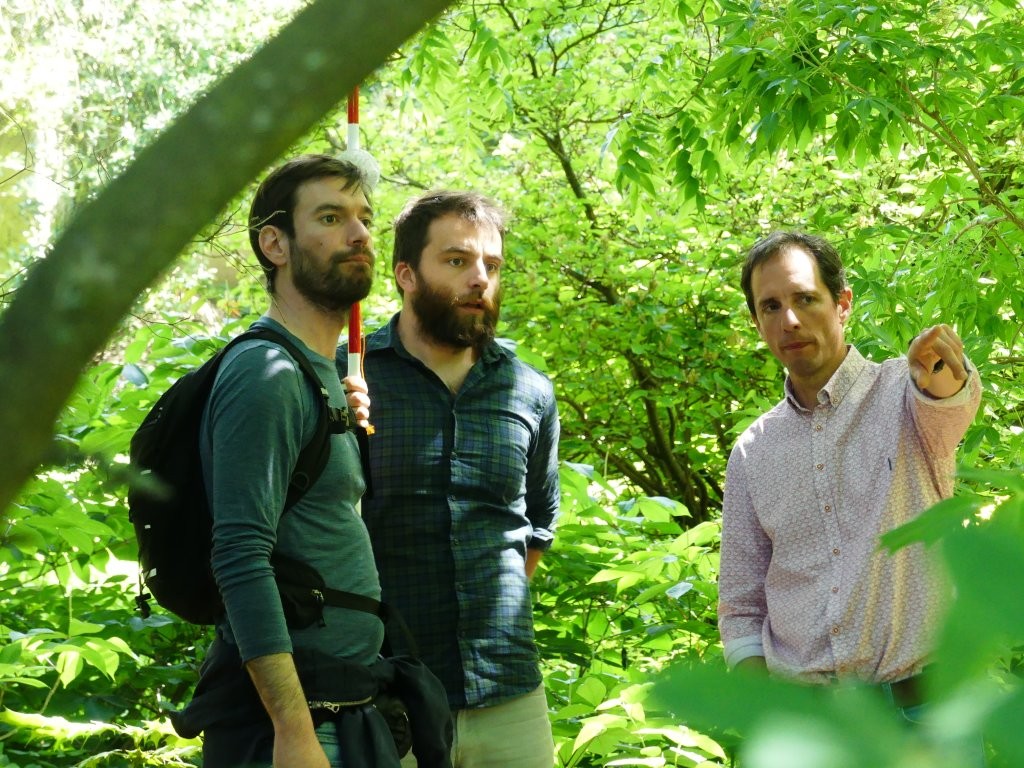
For four days, the ForDiL team was hosted by its French partner, UFA Bavay, which is part of the Institut de Genech. Here's a look back at what they gained from the trip.
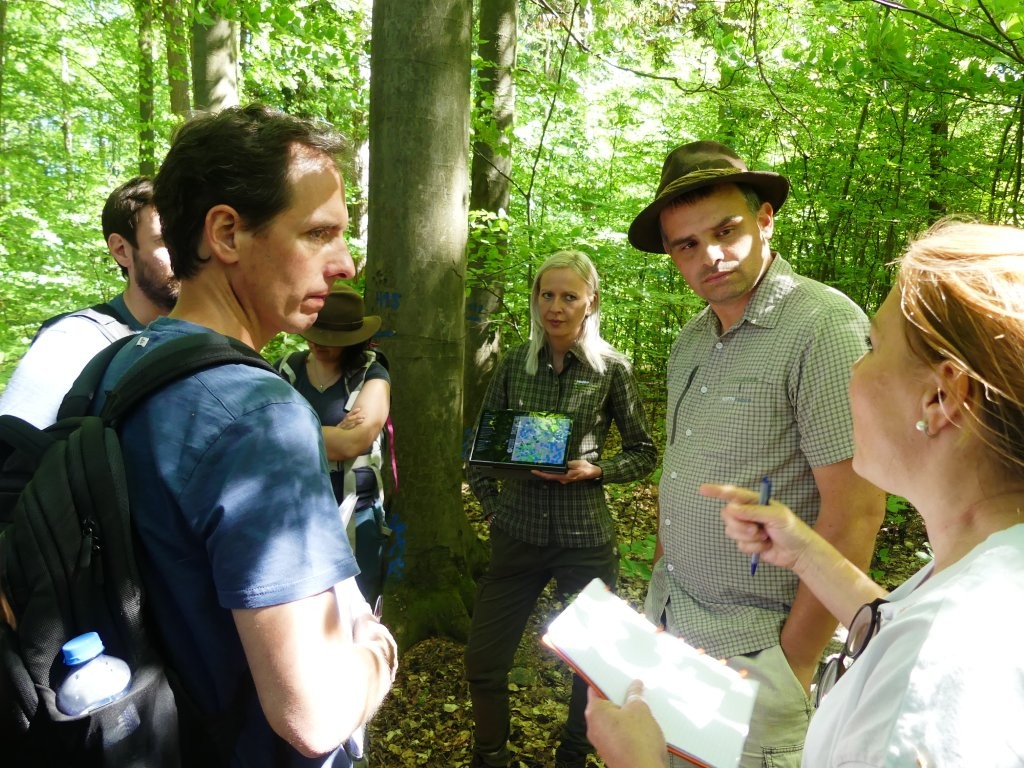
Transnational meeting in Brno
From 13 to 17 May, the ForDiL team met in Brno, in the Czech Republic. Between project progress and a tour of Mendel University, it was a rich and informative trip.
13
May
2
April
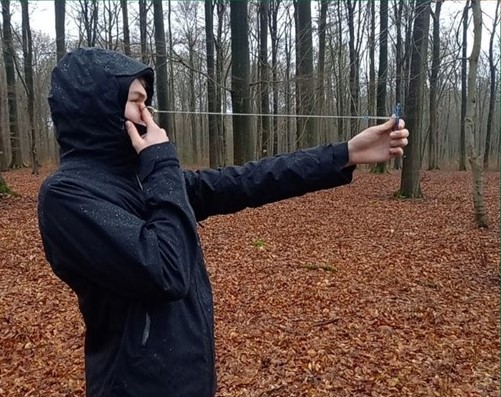
Transnational mobility week in Belgium
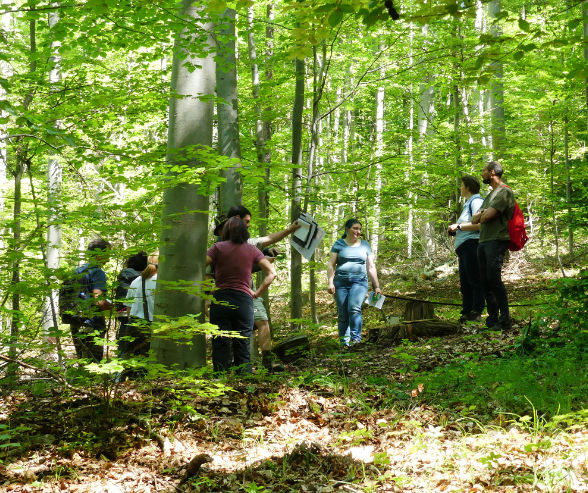
For four days, students, teachers and forestry experts from Belgium, France and the Czech Republic gathered in Gembloux to exchnage on continuous cover forestry (CCF).
How to apply CCF yourself
Two international digital applications are the inspiration for the ForDiL project: I+Trainer and Sylvotheque. They have different objectives but offer a good basis for reflection.
2
Dec
2
April
The ForDiL team
ForDiL brings together Belgian, French and Czech stakeholders to take this Erasmus+ project to the European level.
2024
The objectives of ForDiL
The project aims to develop a self learning application for continuous cover forestry approach based on the development of marteloscopes.
2
Dec

28
Nov
Kick-off meeting
This first meeting at the end of 2023, in Belgium, marks the launch of the ‘Forest Digital Learning’ project, supported by the Erasmus+ programme.
2023
Activities
Aucune formation pour le moment.